We're Hiring: GSP BATTERY is recruiting Regional Distributors & Partners worldwide — Apply Now New: GSP BATTERY USA INC. now open for OEM/ODM inquiries in North America Now shipping globally from Korea · China · USA We're Hiring: GSP BATTERY is recruiting Regional Distributors & Partners worldwide — Apply Now New: GSP BATTERY USA INC. now open for OEM/ODM inquiries in North America Now shipping globally from Korea · China · USA

Power your freedom anytime, anywhere

GSP provides reliable lithium iron phosphate battery solutions for various environments such as camping, travel and industrial use.
From small electronic devices to large energy storage systems (ESS), we empower your daily life with reliable technology.
Product Inquiry
  • BM715_01
  • BM715_02

GSP BM715

GSP BM715 – Compact digital battery capacity meter with an external current sampler and clear real-time battery monitoring.

The GSP BM715 battery capacity meter provides accurate, real-time monitoring of battery voltage, current, power, remaining capacity, and charge/discharge status. Its clear LCD display and external current sampler make battery condition and energy usage easy to understand at a glance.

Key Benefits of the GSP BM715

  • Accurately measures battery voltage, current, power, and remaining capacity.
  • Displays real-time charging and discharging status.
  • Provides early indication of low battery capacity.
  • Uses an external current sampler for reliable measurement.
  • Helps users monitor and optimize battery energy consumption.
  • Clear LCD screen displays essential battery information at a glance.
  • Compact design allows convenient and flexible installation.
  • Suitable for RVs, boats, solar systems, backup power, and other DC applications.
  • Product details
  • Product specifications
  • Applications
  • FAQ
  • Charging and discharging graphs

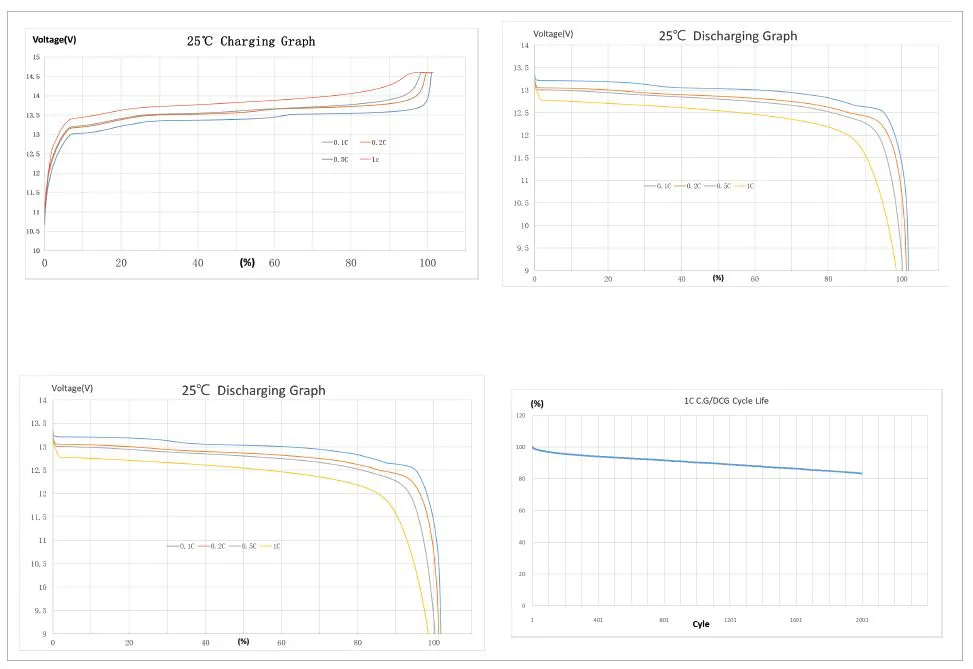
    Efficient Charging & Stable Discharging Performance

    Lithium Iron Phosphate batteries offer fast, efficient charging and maintain a stable discharge rate. They experience minimal capacity loss over time, ensuring long-term performance and reliability in demanding applications.
  • Battery capacity testing

    Accurate Capacity Testing for Reliable Performance

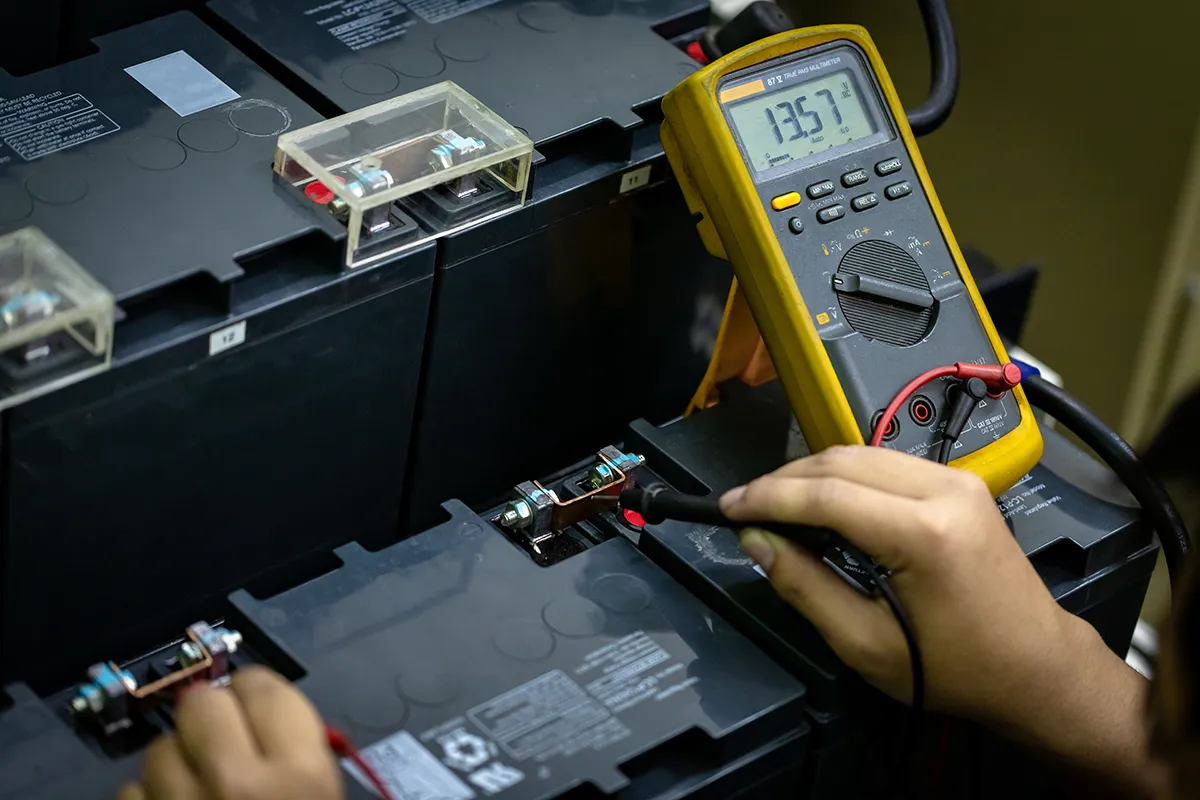
    Battery capacity testing ensures the rated energy output aligns with real-world performance. Through precise measurement under various load conditions, we guarantee product consistency and customer trust.
  • Eco-friendly battery illustration

    Eco-Friendly Power for a Sustainable Future

    GSP batteries are built with environmentally responsible materials and offer longer life cycles with minimal waste. Designed for clean energy applications, they reduce carbon footprint and support a greener tomorrow.

GSP BM715 Battery Capacity Meter Specifications

01. Accurate Energy Monitoring
Tracks real-time voltage, current, and accumulated capacity for precise battery management.
02. Battery Health Management
Provides clear insight into charge/discharge cycles, helping extend battery lifespan.
03. Usage Visibility
Allows users to easily check remaining capacity and energy usage at a glance.
04. Prevents Overuse & Malfunction
Detects abnormal current or over-discharge, preventing battery damage in advance.
05. Data for Optimization
Offers reliable data to optimize energy usage and improve system efficiency.
ParameterMinTypeMaxUnit
Working Voltage8.050.080.0V
Working Dissipation10.012.0mA
Standby Dissipation0.3mA
Sleep Dissipation5060uA
Voltage Accuracy±1.0%
Current Accuracy±1.0%
Capacity Accuracy±1.0%
Backlight on Current (50A)3060mA
Backlight on Current (>50A)80120mA
Preset Capacity Value0.19999.9Ah
Current of 50A Sampler0.050.075.0A
Current of 100A Sampler0.0100.0150.0A
Current of 350A Sampler0.0350.0500.0A
Temperature Range02035
Weight20g
Size (L x W x H)66 x 40 x 13mm
L : length / W : width / H : height
  • Cylindrical battery cells

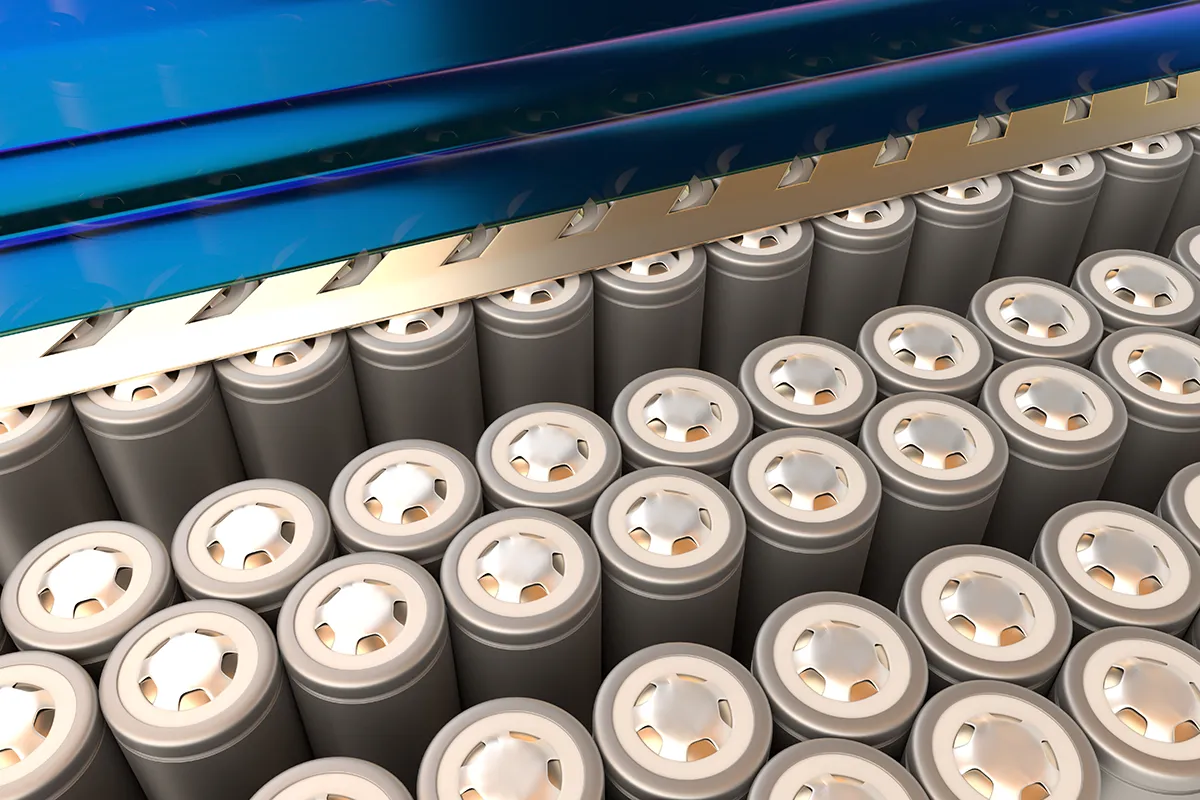
    Powering Every Possibility

    LiFePO₄ batteries are widely used in electric vehicles, solar energy storage, medical equipment, and industrial machinery due to their high thermal stability, long cycle life (≥2000 cycles), and superior safety profile compared to other lithium-ion chemistries.
  • Solar-powered telecom station

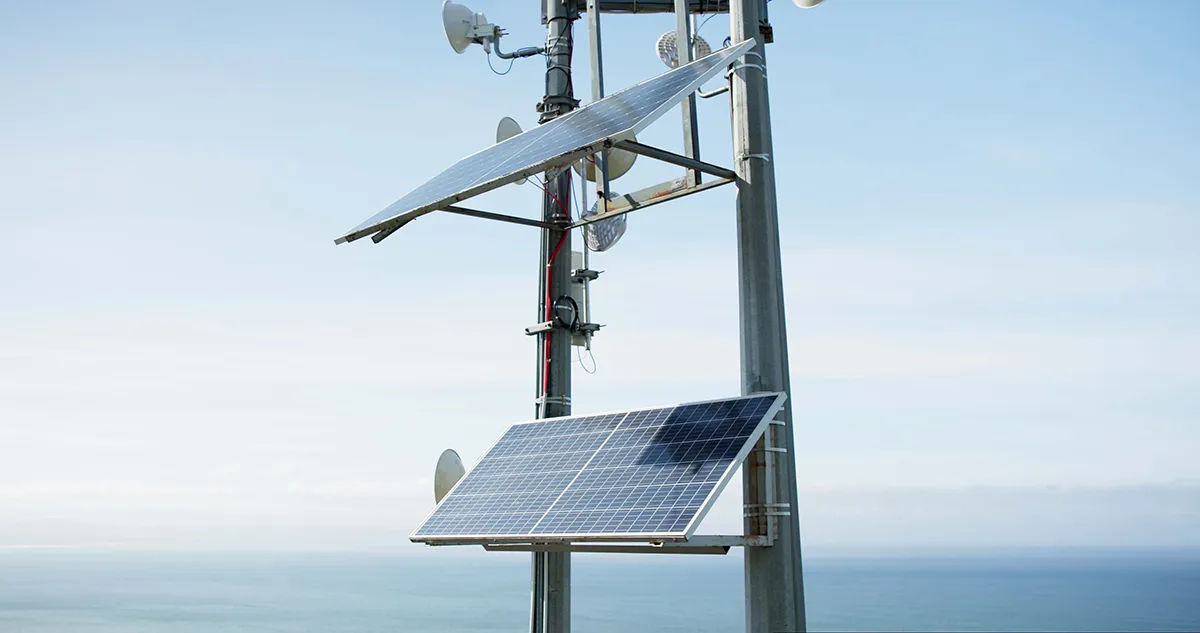
    Smarter Energy for Modern Applications

    LiFePO₄ cells offer consistent voltage discharge curves and minimal self-discharge (<3%/month), making them ideal for standby systems, UPS, telecom towers, and advanced electronics such as drones and electric mobility devices.
  • Solar-powered smart home cutaway

    Empowering Renewable Energy

    LiFePO₄ batteries are a key enabler in renewable integration, with
  • What is the difference between lead-acid batteries and iron phosphate batteries?

    LiFePO₄ batteries offer significantly longer cycle life (2,000–5,000 cycles) compared to lead-acid (300–500 cycles). They are lighter in weight, charge faster, and maintain a more stable voltage throughout discharge. LiFePO₄ also has superior thermal and chemical stability, reducing fire or explosion risks. Although lead-acid batteries are cheaper upfront, LiFePO₄ provides lower total cost of ownership over time due to longevity and efficiency.

  • Is parallel or series connection freely possible?

    LiFePO₄ batteries can be connected in parallel or series, but only when the voltage (V) and state of charge (SOC) of each cell are the same to ensure stable operation. If the SOC or voltages do not match, a critical current imbalance may occur, which may result in cell damage or BMS triggering due to overcurrent. In particular, the presence of a cell balancing circuit is important when connecting in series, and each cell must be synchronized to a full state before connecting in parallel. Connecting without prior balancing may result in reduced lifespan, overheating, and in severe cases, fire hazard.

  • Can I use any battery charger?

    LiFePO₄ batteries require a dedicated charger, and chargers for general lithium-ion or lead-acid batteries have different voltage profiles, which can cause overcharge or undercharge. LiFePO₄ batteries typically require a constant voltage charge of 3.65V per cell, and a CC/CV (constant current/constant voltage) charging method should be applied accordingly. The most stable and efficient charging can be expected when the charger output current is within 0.2 to 0.5 C of the battery capacity. An unsuitable charger can lead to cell damage, performance degradation, BMS trigger, or safety accidents.

  • How can I use lithium iron phosphate batteries safely for a long time?

    Keep charge voltage below 3.65V and discharge voltage above 2.5V per cell to protect battery health. Always use a BMS to prevent overcharge, over-discharge, and short circuits. Operate within -20–45°C, and store at ~50% SOC in a cool place for long-term storage. Periodic capacity tests and cell balancing are essential to maintain long-term performance.

  • How is the Charging Time of a LiFePO₄ Battery Calculated?

    Charging time depends on the battery’s capacity (Ah) and the charger’s output current (A). For instance, charging a 100Ah battery with a 10A charger would take approximately 10 hours, as it delivers 10Ah per hour. However, actual charging time may vary depending on BMS configuration, ambient temperature, and initial State of Charge (SOC).

  • How Long Does a LiFePO₄ Battery Last?

    Lithium Iron Phosphate (LiFePO₄) batteries typically support 2,000 to 5,000+ charge-discharge cycles, translating to 5 to 10 years or more under daily use. Avoiding high temperatures, overcharging, and deep discharges helps extend lifespan. Battery quality, BMS protection, and environmental conditions also significantly affect longevity.