

Enables seamless power conversion in both directions, supporting charging and discharging operations efficiently.
Maximizes energy utilization by integrating renewable energy sources, storage systems, and grid interaction.
Equipped with advanced protection features against overload, short circuits, and overheating for safe and reliable operation.
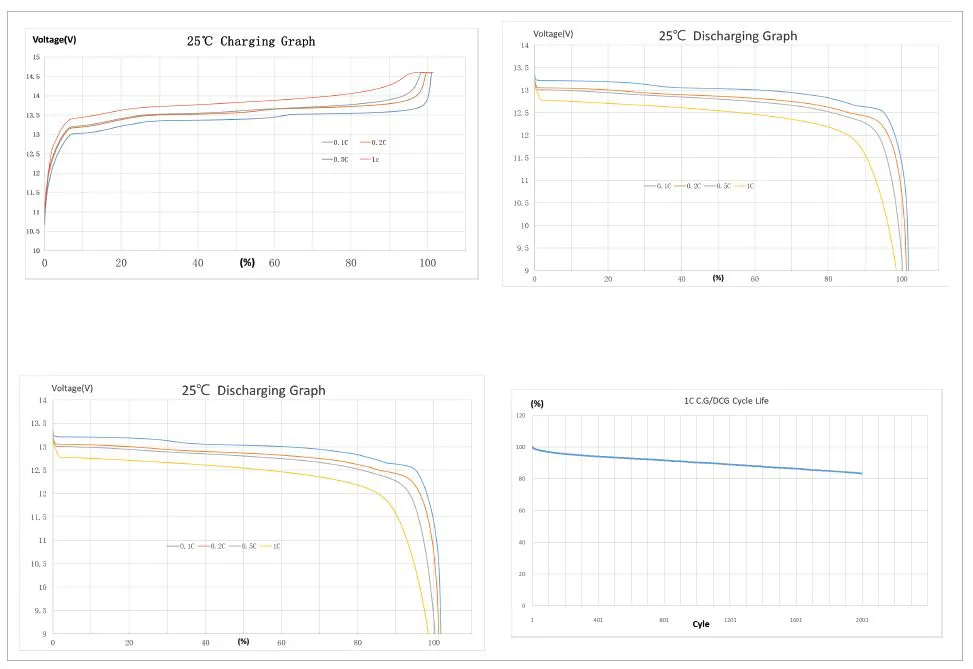
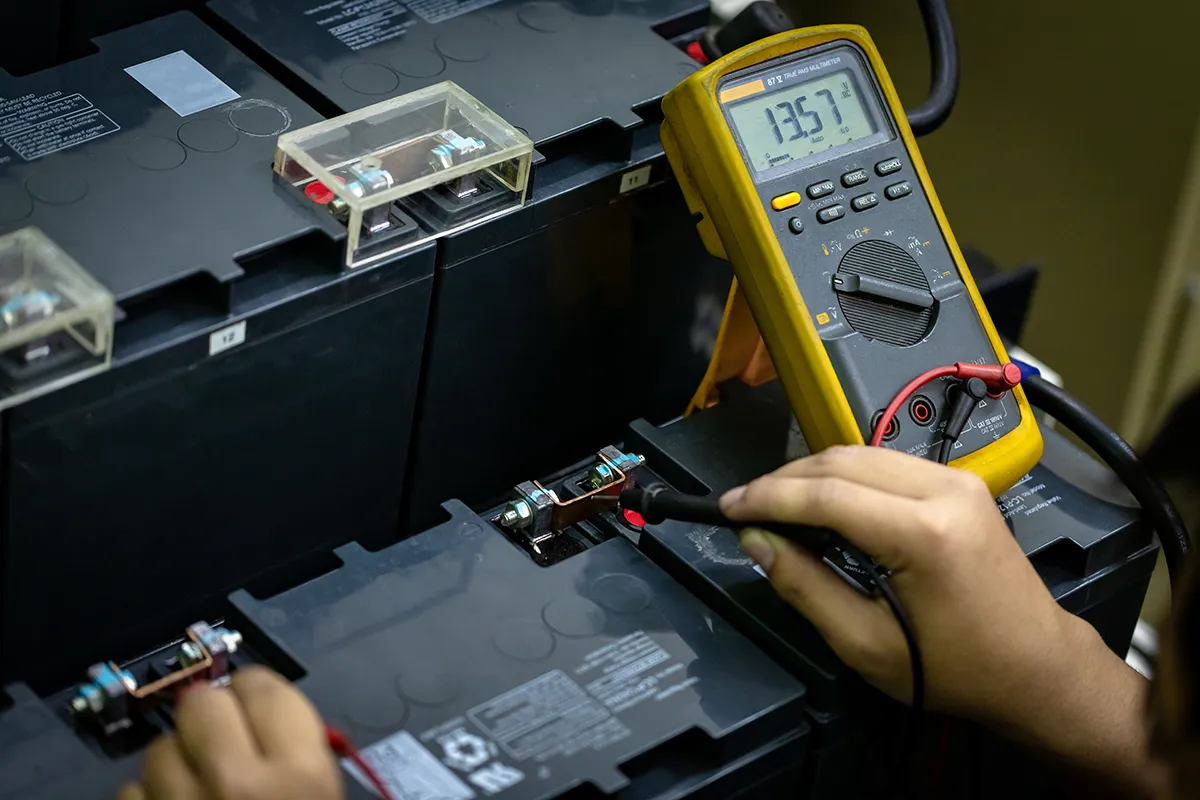
| Model | GSP12-BIC 4000 |
|---|---|
| Input voltage | DC 12V (10.5-16.5V) |
| Out voltage | AC 220V |
| Continuous output power | 4000W |
| Peak power | 8000W |
| Battery Low Alarm | 11.0V |
| Battery Low Disconnect | 10.5V |
| High voltage protection | >17V |
| Non-load current (Power Saving Mode) | ≤0.8 ADC |
| Overload protection | >4000W |
| Charging Voltage Range | 13.8V – 14.8V (Default : 14.2V) |
| Charge Current Range | 25A – 120A |
| Overheat protection | >60℃ |
| Size (L × W × H) / weight | 432.9 × 287 × 110 mm / About 8kg |
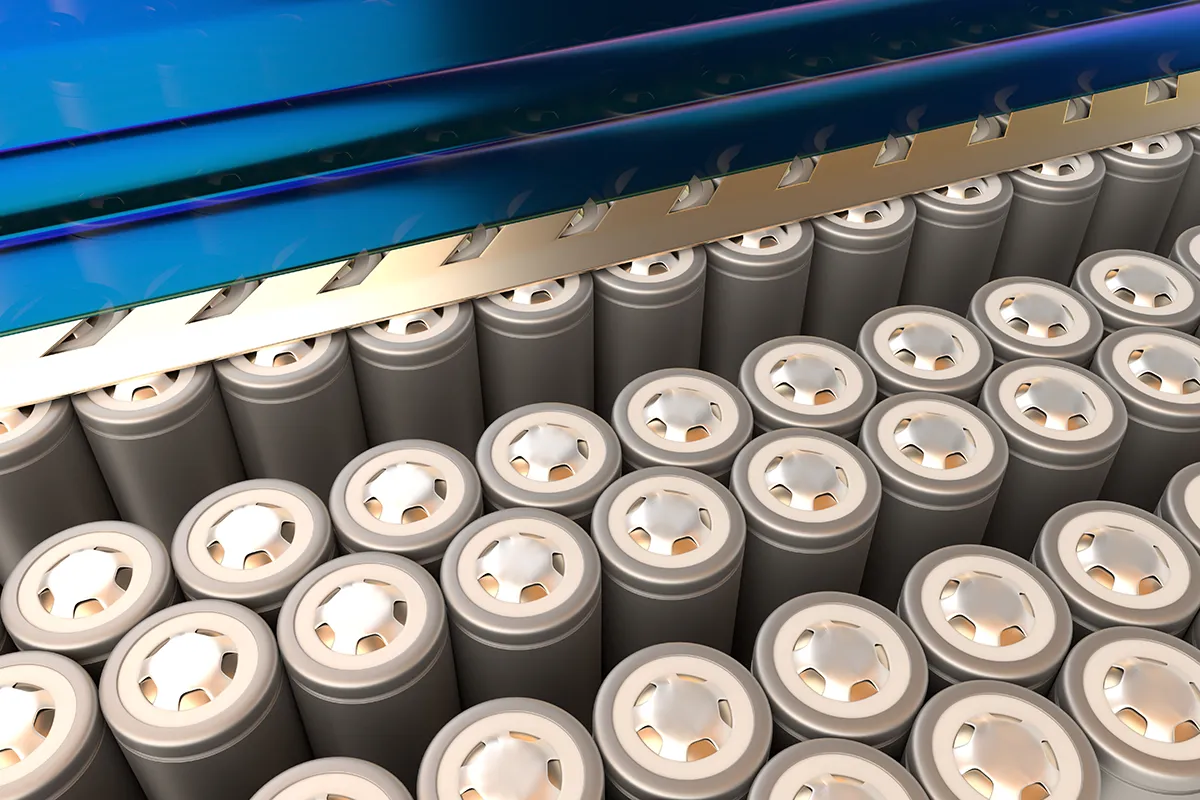
LiFePO₄ batteries offer significantly longer cycle life (2,000–5,000 cycles) compared to lead-acid (300–500 cycles). They are lighter in weight, charge faster, and maintain a more stable voltage throughout discharge. LiFePO₄ also has superior thermal and chemical stability, reducing fire or explosion risks. Although lead-acid batteries are cheaper upfront, LiFePO₄ provides lower total cost of ownership over time due to longevity and efficiency.
LiFePO₄ batteries can be connected in parallel or series, but only when the voltage (V) and state of charge (SOC) of each cell are the same to ensure stable operation. If the SOC or voltages do not match, a critical current imbalance may occur, which may result in cell damage or BMS triggering due to overcurrent. In particular, the presence of a cell balancing circuit is important when connecting in series, and each cell must be synchronized to a full state before connecting in parallel. Connecting without prior balancing may result in reduced lifespan, overheating, and in severe cases, fire hazard.
LiFePO₄ batteries require a dedicated charger, and chargers for general lithium-ion or lead-acid batteries have different voltage profiles, which can cause overcharge or undercharge. LiFePO₄ batteries typically require a constant voltage charge of 3.65V per cell, and a CC/CV (constant current/constant voltage) charging method should be applied accordingly. The most stable and efficient charging can be expected when the charger output current is within 0.2 to 0.5 C of the battery capacity. An unsuitable charger can lead to cell damage, performance degradation, BMS trigger, or safety accidents.
Keep charge voltage below 3.65V and discharge voltage above 2.5V per cell to protect battery health. Always use a BMS to prevent overcharge, over-discharge, and short circuits. Operate within -20–45°C, and store at ~50% SOC in a cool place for long-term storage. Periodic capacity tests and cell balancing are essential to maintain long-term performance.
Charging time depends on the battery’s capacity (Ah) and the charger’s output current (A). For instance, charging a 100Ah battery with a 10A charger would take approximately 10 hours, as it delivers 10Ah per hour. However, actual charging time may vary depending on BMS configuration, ambient temperature, and initial State of Charge (SOC).
Lithium Iron Phosphate (LiFePO₄) batteries typically support 2,000 to 5,000+ charge-discharge cycles, translating to 5 to 10 years or more under daily use. Avoiding high temperatures, overcharging, and deep discharges helps extend lifespan. Battery quality, BMS protection, and environmental conditions also significantly affect longevity.
If you have any questions, please leave a message online,
once we receive the question, we will reply to your message in time!

